
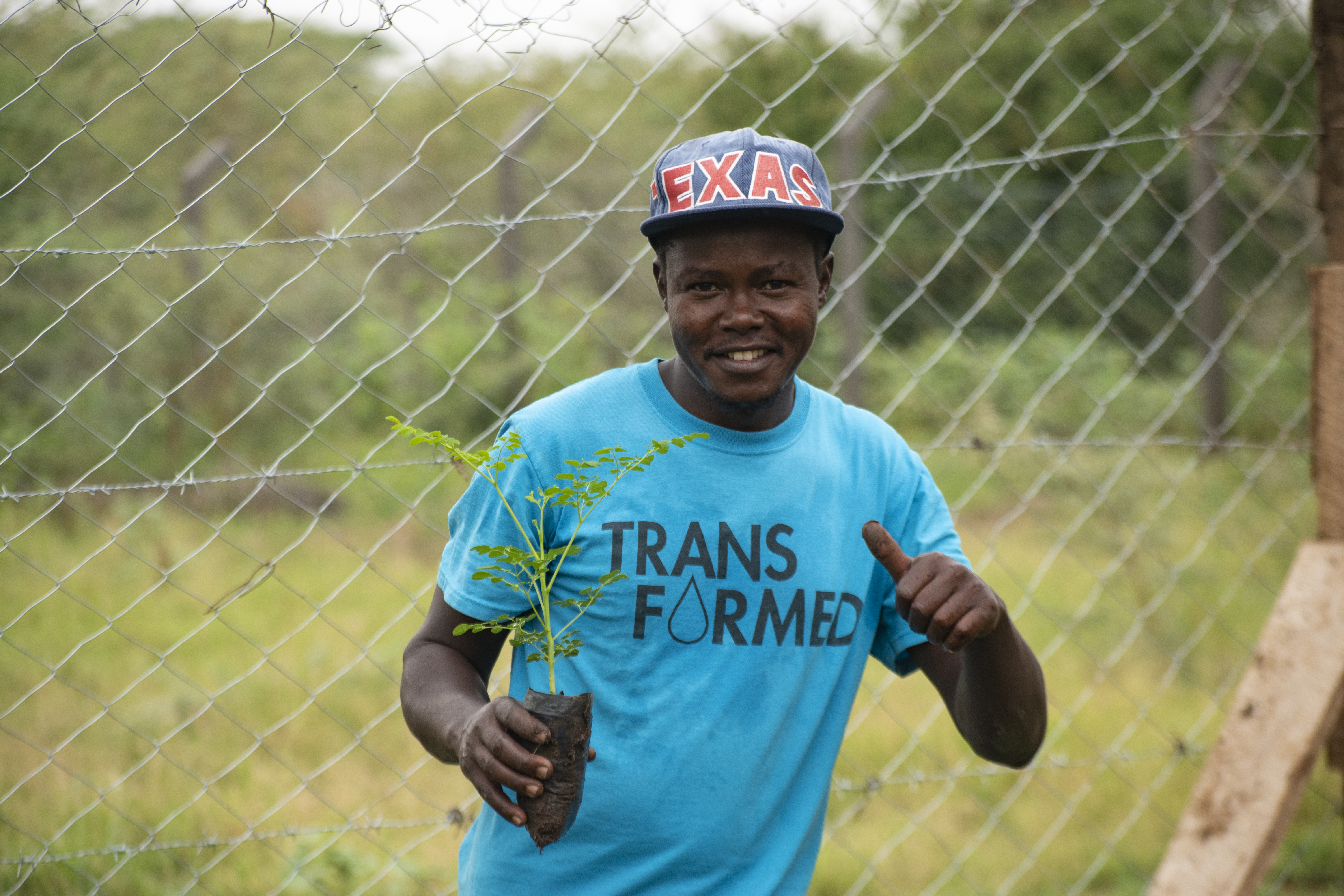
For Racho Ibrahim and the young people of Enlite Youth Group, restoration is becoming more than an environmental responsibility. It is becoming an opportunity. In Gambella, where degraded landscapes continue to place pressure on communities and natural resources, a group of 20 young women and men is taking a different approach: growing the solutions themselves. With training and technical support from CETRAD, the youth group established a community-managed tree nursery to support ongoing wetland restoration and create opportunities for young people to develop practical skills and diversify their livelihoods.
Before the nursery, restoration activities such as tree planting were already taking place in Gambella. But these efforts were not deliberately connected to youth livelihoods. For many young people, conservation offered few visible pathways to build skills or generate income. Their involvement often remained limited to participating in activities designed and led by others. The tree nursery began to change that. Through hands-on training, Racho and his fellow youth members learned about seed selection, propagation, nursery management, seedling maintenance, and preparing trees for planting. Instead of simply being invited to participate in restoration, they gained the knowledge and responsibility to help drive it. The result is a growing sense of ownership. The nursery is now producing a mix of native and fruit tree seedlings, with a target of 100,000 seedlings.
Each seedling has two potential futures: contributing to the restoration of Gambella’s landscapes and becoming part of a livelihood opportunity for young people. That connection is at the heart of Racho’s experience. The initiative is helping participating youth build practical skills, confidence and leadership while creating a potential source of income. It also gives them a more direct role in addressing environmental challenges within their own community. For Racho, the nursery demonstrates that conservation need not compete with the need for livelihoods. Done differently, the two can reinforce each other. The impact extends beyond the nursery. The locally produced seedlings can also support restoration initiatives by making planting materials more accessible within the community. This creates a cycle: young people gain skills and livelihood opportunities by producing seedlings; the seedlings support restoration; and restored landscapes can contribute to healthier ecosystems and more resilient communities.
Racho’s story captures a broader lesson for conservation and development programmes: young people are more likely to become long-term stewards of their environment when they have a meaningful stake in its restoration. The tree nursery is still growing, and so is its ambition. With a target of 100,000 seedlings, the initiative has the potential to support restoration at a much larger scale while opening new opportunities for youth. For Racho, however, the transformation has already begun.
The nursery is growing trees,but it is also growing skills, confidence, leadership and opportunity. And with young people like Racho taking the lead, the future of restoration in Gambella is beginning to take root.